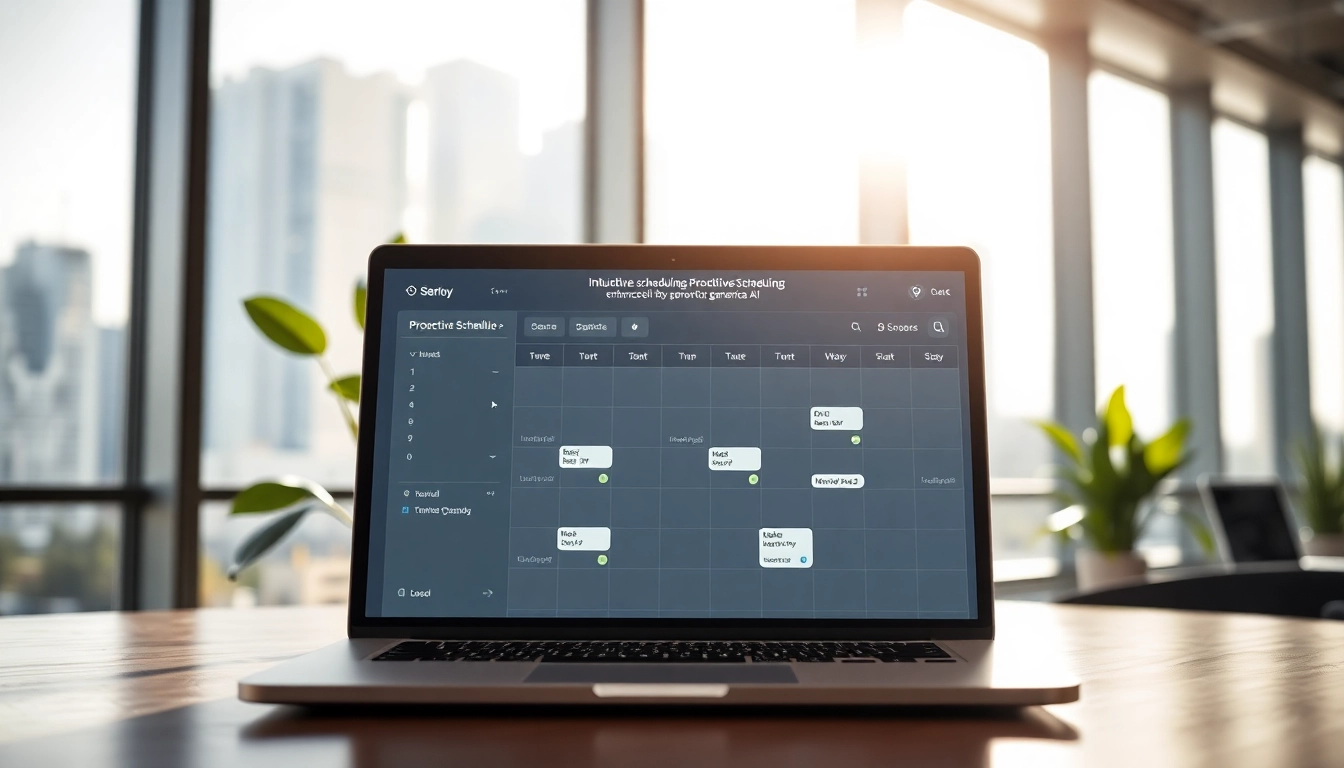
Understanding Proactive Scheduling AI
In the fast-paced world of modern business, efficient time management is paramount. The rise of proactive scheduling AI tools represents a significant leap forward in how professionals handle scheduling tasks. By harnessing the power of artificial intelligence, these tools not only automate scheduling but also anticipate the needs of users, ultimately enhancing productivity across teams and individual workflows.
What is Proactive Scheduling AI?
Proactive scheduling AI refers to advanced artificial intelligence systems designed to optimize the schedule of individuals and teams. Unlike traditional scheduling tools that function reactively, these systems analyze data trends, user preferences, and contextual information to predict optimal times for tasks, meetings, and breaks. This approach transforms scheduling from a mere reactive task into a strategic advantage.
How It Works: Underlying Technologies
At the heart of proactive scheduling AI is a combination of machine learning algorithms, natural language processing (NLP), and data analytics. Machine learning allows the AI to learn from user behavior over time, tailoring suggestions to fit individual preferences and patterns. NLP enables the system to understand inputs in a conversational style, making interaction more intuitive. Data analytics is used to gather insights from past scheduling data, helping the AI predict the best times for meetings based on availability and workload.
Benefits for Individuals and Teams
The integration of proactive scheduling AI brings numerous benefits, including:
- Enhanced Time Efficiency: By automating the scheduling process, users can allocate time to more critical tasks and focus on high-impact activities.
- Reduction in Scheduling Conflicts: The AI’s ability to analyze calendars and suggest optimal meeting times significantly reduces the potential for conflicts.
- Improved Work-Life Balance: Proactive scheduling tools can factor in personal commitments, allowing users to maintain a better balance between work and personal life.
Key Features of Proactive Scheduling AI Tools
AI-Driven Task Management
One of the defining features of proactive scheduling AI is its ability to automate task management. These systems can prioritize tasks based on deadlines, importance, and user-defined criteria, helping individuals manage their workloads more effectively. Notifications and reminders are sent automatically, ensuring that no task is overlooked. Users can also visualize their day or week at a glance, allowing for better planning of how to allocate time.
Conflict Resolution and Rescheduling
AI-powered scheduling tools excel in conflict resolution. They analyze the schedules of all participants involved and propose alternative times for meetings by suggesting optimal time slots that suit everyone’s availability. In cases where last-minute changes occur, the AI can automatically reschedule the meeting and notify all attendees, thus ensuring continuity and minimizing disruptions to workflow.
Integrating with Existing Calendars
Another essential capability is seamless integration with existing calendar systems. Proactive scheduling AI tools can connect with popular applications like Google Calendar and Microsoft Outlook to pull relevant data, synchronize events, and provide real-time updates. This integration ensures that users can maintain their existing workflow without having to adapt to a completely new system, thereby reducing resistance to adopting AI scheduling solutions.
Implementing Proactive Scheduling AI in Your Workflow
Assessing Your Scheduling Needs
Before implementing a proactive scheduling AI tool, it is crucial to conduct a thorough assessment of your scheduling needs. This involves understanding the typical challenges faced by your team, such as frequent rescheduling or misunderstandings regarding meeting times. By identifying pain points, decision-makers can choose a tool equipped with features to address specific issues, ultimately improving adoption rates and usability.
Choosing the Right AI Tool
With a plethora of options available, selecting the right proactive scheduling AI tool requires careful consideration. Look for features that align with your team's needs, such as machine learning capabilities, robust integration options, user-friendly interfaces, and customer support services. Additionally, consider conducting trials to assess which tool offers the best performance in real-time scenarios.
Steps for Effective Integration
Implementing a proactive scheduling AI tool involves several strategic steps:
- Training and Onboarding: Provide training sessions to familiarize users with the new tool, focusing on its unique features and capabilities.
- Gradual Rollout: Consider a phased implementation approach, starting with a smaller team or department to allow for adjustments based on initial feedback.
- Feedback and Evaluation: Encourage users to provide feedback on their experiences and use this information to make further adjustments for optimal use of the tool.
Measuring the Impact of Proactive Scheduling AI
Key Performance Indicators to Track
To understand the effectiveness of proactive scheduling AI tools, organizations should establish key performance indicators (KPIs) that reflect improvements in productivity and time management. Metrics may include the number of scheduling conflicts pre- and post-implementation, user satisfaction scores, and the average time spent on scheduling activities. Analyzing these KPIs helps quantify the impact and justify continued investment in AI solutions.
User Satisfaction and Feedback
User satisfaction is a critical metric for measuring the success of any new technology implementation. Regular surveys can gather feedback that highlights user experiences, perceived benefits, and areas requiring improvement. Encouraging an open dialogue can inform future updates and enhance overall tool effectiveness, fostering a culture of continuous improvement and adaptation.
Iterating for Continuous Improvement
As business needs evolve, so too should the tools employed to facilitate them. Organizations should treat the implementation of proactive scheduling AI as an ongoing process, periodically reviewing tool effectiveness and adjusting settings based on user feedback. This approach ensures that the AI continues to provide value and meets changing demands within the workplace.
Future Trends in Proactive Scheduling AI
Predicted Advancements in AI Technology
The future of proactive scheduling AI is promising, with advancements expected in areas such as predictive analytics and personalized user experiences. As machine learning models become increasingly sophisticated, these tools may offer deeper insights based on user behavior patterns and preferences, leading to even more tailored scheduling suggestions.
Emerging Use Cases
Innovative use cases for proactive scheduling AI are also on the rise, ranging from its application in remote work environments to its integration within larger project management tools. This evolution could lead to broader collaborations that combine scheduling efficiency with project tracking, enhancing productivity further.
Preparing for an Evolving Work Environment
As work environments become increasingly dynamic, organizations must remain agile by preparing for changing demands. Proactive scheduling AI can help teams navigate these transitions effectively. Continuous updates, training, and user education will be essential to ensure that scheduling solutions evolve alongside workplace changes, fostering long-term success.
Frequently Asked Questions
1. What is proactive scheduling AI?
Proactive scheduling AI utilizes AI technology to automate and optimize scheduling tasks, enhancing efficiency and reducing conflicts.
2. How does proactive scheduling AI benefit teams?
It improves time efficiency, reduces scheduling conflicts, and helps maintain a better work-life balance for team members.
3. Can proactive scheduling AI integrate with existing calendars?
Yes, most proactive scheduling AI tools offer seamless integration with popular calendar applications like Google Calendar and Outlook.
4. How can I measure the impact of proactive scheduling AI?
Key performance indicators such as scheduling conflicts, user satisfaction, and time spent on scheduling can measure the impact.
5. What future trends should I watch for in scheduling AI?
Expect advancements in predictive analytics, personalized experiences, and innovative use cases within project management tools.