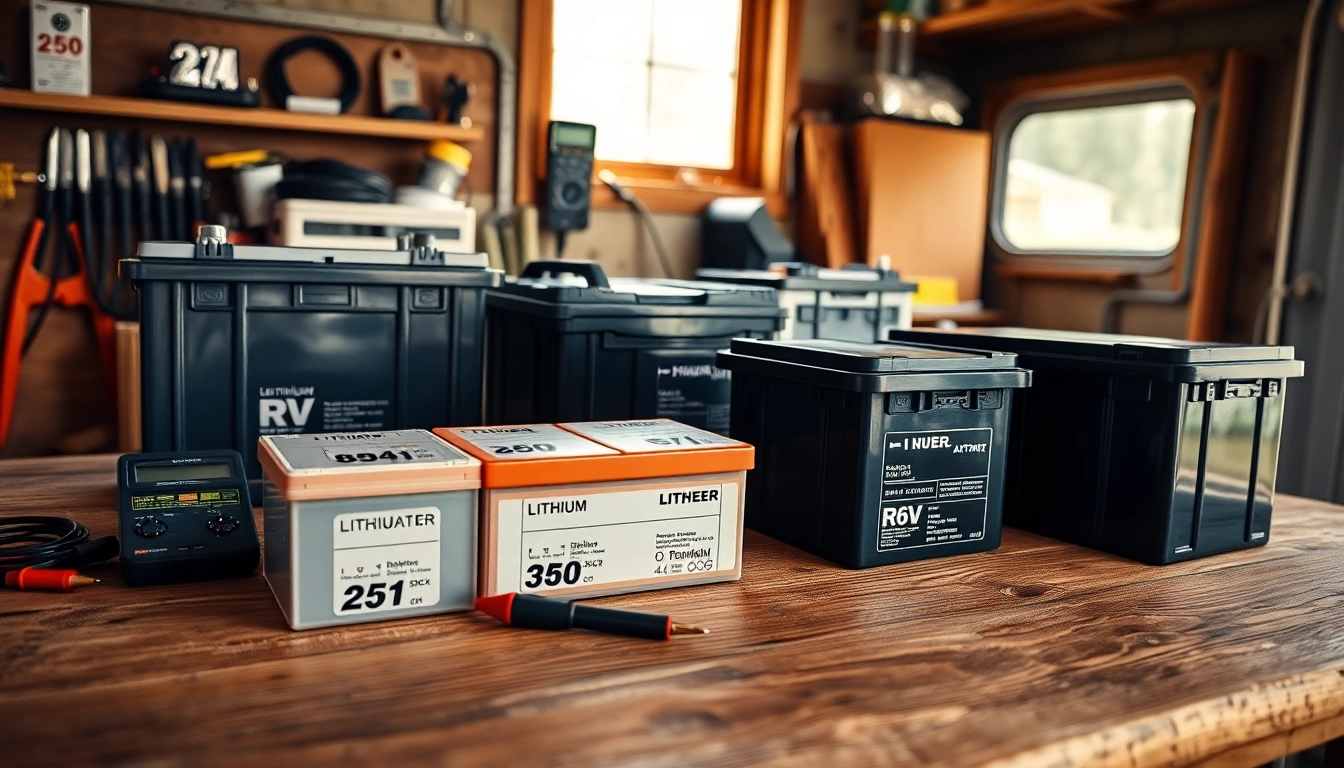
Understanding Lithium RV Batteries
What Are Lithium RV Batteries?
Lithium RV batteries, primarily based on lithium iron phosphate (LiFePO4) chemistry, are energy storage solutions designed for recreational vehicles (RVs) and campers. Unlike traditional lead-acid batteries, these batteries store energy more efficiently and offer higher discharge rates, making them ideal for both casual excursions and extended off-grid adventures. Thanks to their lightweight design and compact form, lithium RV batteries have revolutionized mobile power solutions, allowing travelers to enjoy modern amenities without the weight and size constraints of older battery technologies. These batteries are engineered to provide reliable power across various applications, from running appliances to supporting solar charging systems.
Benefits of Lithium RV Batteries over Lead-Acid
The shift from lead-acid to lithium RV batteries has garnered significant interest due to numerous advantages:
- Longer Lifespan: Lithium RV batteries can last between 8 to 12 years, significantly outlasting lead-acid batteries, which typically need replacement after 3 to 5 years.
- Higher Usable Capacity: Lithium batteries can be discharged to a greater extent (up to 80%-90%) without degrading their lifespan, compared to lead-acid batteries, which should only be depleted to about 50%.
- Faster Charging: Lithium batteries support quicker charging times, reducing downtime and improving the overall efficiency of energy systems in RVs.
- Weight Reduction: Generally, lithium RV batteries are lighter than their lead-acid counterparts, allowing for a more efficient weight distribution in vehicles.
- Enhanced Safety: Lithium batteries are less prone to leaking and do not emit harmful gases, reducing risks associated with battery maintenance.
Types of Lithium RV Batteries Available
There are several types of lithium RV batteries, with varieties suited for specific applications:
- Standard Lithium Iron Phosphate (LiFePO4): The most common type, offering a balance between performance and cost, suitable for a range of RV sizes.
- High-Performance Lithium Batteries: Designed for users who require maximum energy output, these batteries can handle heavier loads and charge faster.
- Modular Lithium Systems: These allow for connecting multiple batteries to scale up the power capacity based on user needs.
Key Features to Consider
Capacity and Power Output of Lithium RV Batteries
When selecting Vatrer Power lithium RV batteries, understanding capacity and power output is crucial. Capacity, typically measured in amp-hours (Ah), indicates the amount of energy a battery can store. Potential users can choose from options like 100Ah, 200Ah, or more, depending on their energy demands. For instance, a 200Ah battery can power a 12V refrigerator drawing 5 amps for over 24 hours without recharging:
- Battery Capacity Formula:
Amps = Capacity (Ah) / Hours- This formula helps users determine how long specific appliances can run based on the battery capacity. - Consider Power-Peak Ratings: Ensure that the chosen battery can handle the peak power requirements of your RV appliances.
Cycling and Lifespan Expectations
The cycling capabilities of lithium RV batteries mean they can endure numerous charge-discharge cycles. Lifespan is a crucial factor to analyze, as users want batteries that will deliver dependable performance over time. Basic expectations include:
- Typical Cycle Life: Expect around 2000 to 5000 cycles when managed properly.
- Depth of Discharge: A deeper discharge generally means fewer cycles; keeping the use between 20% and 80% can maximize battery life.
Weight and Size Considerations
Choosing the right lithium RV battery involves evaluating space and weight constraints. The lighter weight of these batteries not only aids in vehicle handling but also improves fuel efficiency. Important points include:
- Weight Variation: LiFePO4 batteries can weigh up to 50% less than traditional lead-acid batteries.
- Size Dimensions: Ensure the battery fits within designated spaces in your RV.
- Compatibility: Consider any additional space needed for wiring and battery management systems.
Installation and Setup
Preparing Your RV for Lithium RV Batteries
Before installing lithium RV batteries, it's important to prepare your vehicle adequately. This preparation includes understanding power needs, checking wiring systems, and ensuring compatibility:
- Evaluate total energy needs based on usage patterns of appliances and devices.
- Inspect existing electrical systems to confirm they can accommodate lithium technology, particularly in terms of charge controllers and inverters.
- Plan proper ventilation to prevent heat buildup during operation.
DIY Installation Tips for Lithium RV Batteries
For hands-on enthusiasts, DIY installation is possible with the proper knowledge and tools. Here are some essential tips:
- Follow Manufacturer Guidelines: Always refer to the specific installation manual provided by the battery manufacturer.
- Ensure Proper Terminal Connections: Use appropriately sized cables and connectors to prevent overheating or power loss.
- Check Battery Management Systems: If your batteries are equipped with BMS, ensure it's correctly set to ensure optimal performance and safety.
Common Mistakes During Installation
Even the most experienced DIYers can make mistakes. Here’s what to avoid:
- Incorrect Wiring: Double-check connections to prevent short circuits or damage to components.
- Neglecting Safety: Always ensure the system is de-energized before making any connections to prevent shocks.
- Choosing Incompatible Chargers: Ensure that chargers are compatible with lithium batteries to avoid overcharging.
Maintenance of Lithium RV Batteries
Best Practices for Longevity
To maximize the lifespan of lithium RV batteries, consider implementing these best practices:
- Avoid full discharges as it can shorten battery life significantly.
- Regularly check maintenance systems and battery health indicators to identify potential issues early.
- Store batteries in a temperature-controlled environment to avoid damage from extreme cold or heat.
Monitoring Battery Health
Keeping tabs on battery health is vital for performance. Here's how to effectively monitor your batteries:
- Utilize Battery Monitoring Systems: Many lithium batteries now come with smart monitoring systems that will provide real-time data on voltage, current, and state of charge.
- Perform Regular Visual Inspections: Look for any signs of swelling, corrosion, or physical damage.
Signs Your Lithium RV Batteries Need Replacement
Understanding when to replace your lithium RV batteries is essential for safety and performance:
- Decreased capacity over time, as evidenced by needing more frequent recharges.
- Physical indicators such as swelling or leaking fluids.
- Inconsistent performance of appliances powered by the battery.
FAQs about Lithium RV Batteries
1. Are lithium batteries worth it for an RV?
Yes, for frequent boondockers, lithium RV batteries provide longer lifespan and higher capacity, making them more cost-effective than lead-acid.
2. How long will a 100Ah lithium battery run a 12V fridge?
A 100Ah lithium battery can typically run a 12V motorhome fridge for 2–3.5 days, depending on the fridge's energy draw and external conditions.
3. Can I use lithium RV batteries in any RV?
Yes, most RVs can accommodate lithium RV batteries, but ensure compatibility with existing systems and charge controllers.
4. What is the lifespan of lithium RV batteries?
12V 300Ah Lithium Batterytypically last 8-12 years, depending on usage patterns and maintenance, compared to 3-5 years for lead-acid batteries.
5. How do I connect multiple lithium RV batteries?
Multiple lithium RV batteries can be wired in series or parallel, depending on required voltage and capacity; consult wiring schematics for proper installation. For further exploration and options, check our comprehensive collection of lithium RV batteries, suitable for all types of RVs and campers.