1. The Importance of Screen-Free Play
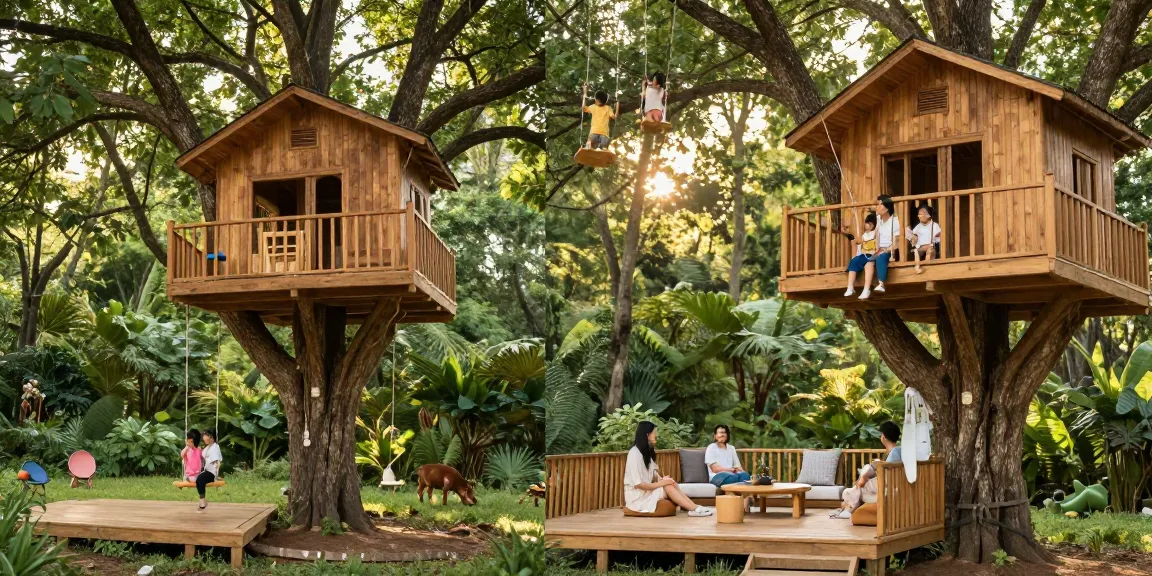
In today’s digitally driven world, children are inundated with screens from a very young age. While technology offers numerous advantages, it's essential to recognize the significant benefits of screen-free play. Engaging in activities that do not involve screens fosters essential physical, cognitive, and social skills in children. By prioritizing screen-free play, you can help your children develop healthier habits and ignite their creativity.
1.1 Understanding Developmental Benefits
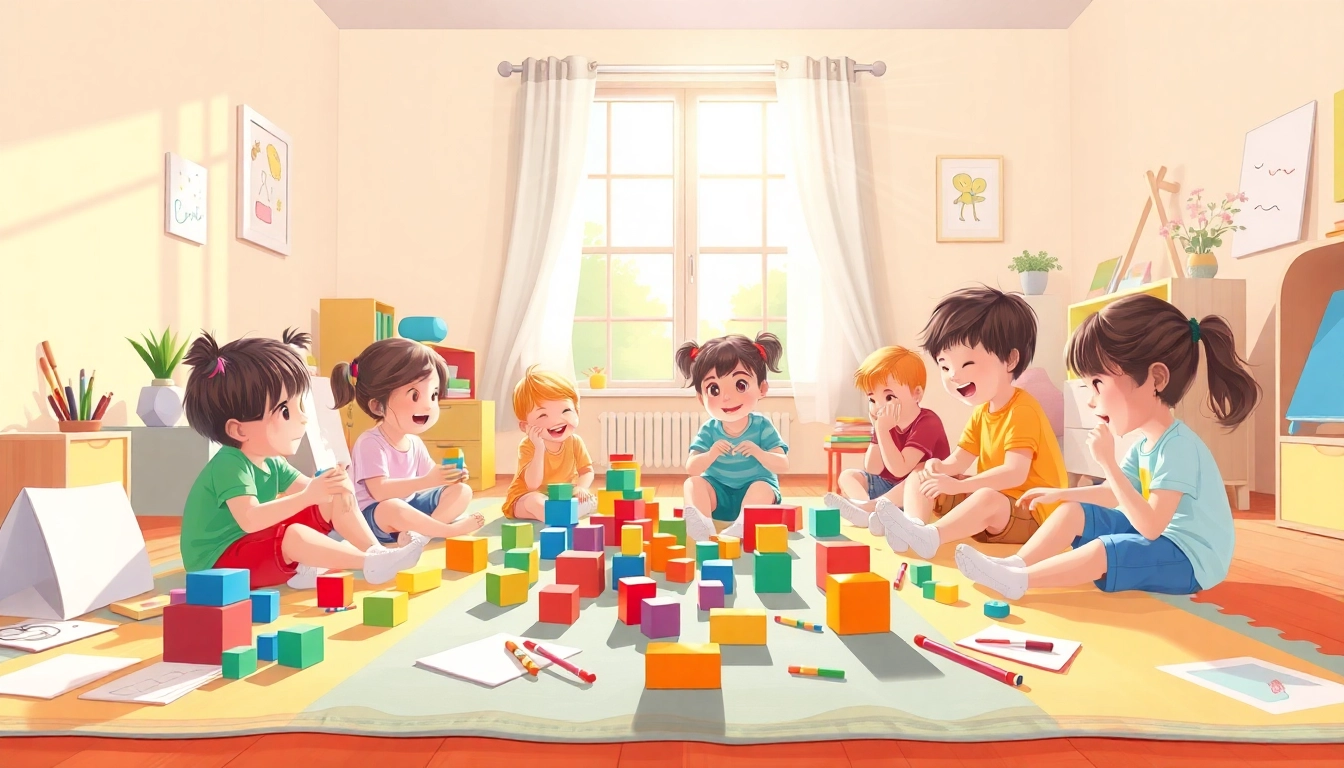
The role of play in a child's development cannot be overstated. Screen-free play encourages physical activity, which is crucial for developing fine and gross motor skills. Activities like building with blocks, drawing, and engaging in imaginative play promote coordination and dexterity.
Moreover, screen-free play stimulates cognitive growth. When children engage in open-ended play, they learn to solve problems, make decisions, and think critically. These developmentally relevant skills lay the foundation for academic success and emotional intelligence. For instance, children exploring how to build a tower that doesn’t fall enhances their understanding of balance and gravity while boosting their self-confidence.
1.2 The Risks of Excessive Screen Time
While screens can provide educational content, excessive screen time poses several risks. Studies indicate that increased screen exposure is linked to obesity, sleep disturbances, and behavioral issues. Children may become passive consumers of information rather than active participants in their learning processes.
Furthermore, too much screen time can negatively impact children’s social skills. When children spend more time interacting with screens than with peers, they miss critical opportunities to develop empathy and communication skills. It is crucial for parents and caregivers to establish a balance between screen time and other forms of play.
1.3 How Screen-Free Toys Foster Imagination
Screen-free toys, unlike their electronic counterparts, encourage open-ended imaginative play. Toys such as art supplies, construction sets, and dolls give children the freedom to create their own narratives and scenarios. This imaginative play is vital for emotional development, allowing children to express their feelings and explore complex social scenarios in a safe environment.
For example, when children use action figures to enact a story, they not only enhance their creativity but also practice negotiation and conflict resolution. These experiences are essential for developing interpersonal skills and nurturing a child's emotional intelligence.
2. Types of Creative Screen-Free Toys
Understanding the types of creative screen-free toys available can help parents choose the right options for their children. Each category offers unique benefits and contributes to developing various skills.
2.1 Art and Craft Supplies for Kids
Art and craft materials, including crayons, markers, paper, clay, and paint, are fantastic for sparking creativity. These tools enable children to express themselves artistically while developing fine motor skills through cutting, glittering, and painting. They also encourage sensory exploration as children engage with different textures and colors.
Projects can range from simple coloring to more complex crafts like making friendship bracelets or custom greeting cards. These activities not only provide joy but also foster patience and perseverance in completing tasks.
2.2 Building and Construction Toys
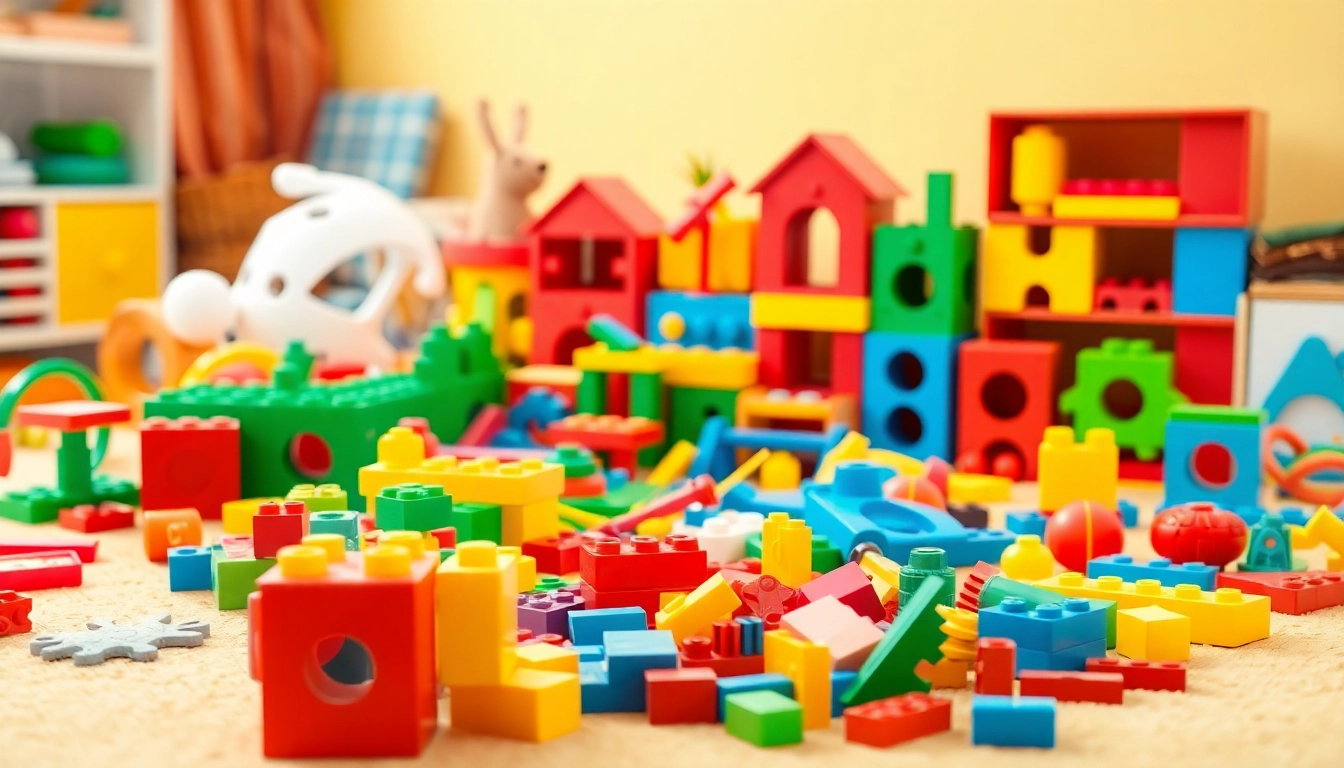
Building materials such as blocks, Lego sets, or Magnetic tiles are excellent for promoting creativity and engineering skills. Through these toys, children explore concepts like geometry and physics in a hands-on manner. As they experiment with various structures, they learn about balance, symmetry, and gravity.
Construction play also enhances collaboration when children work together to build shared projects. They learn the importance of teamwork, communication, and respect for each other's ideas, cultivating social skills that are vital for their development.
2.3 Puzzles and Brain Teasers
Puzzles, brain teasers, and memory games stimulate cognitive skills such as problem-solving, critical thinking, and memory. These activities encourage persistence, as children often need to try different approaches before finding the solution. Engaging with challenging puzzles builds confidence and resilience, as children learn to seek help and try again after making mistakes.
Moreover, puzzles can be an excellent family activity. Working together to complete a puzzle fosters communication and strengthens family bonds while providing an enjoyable screen-free experience.
3. Creating a Screen-Free Play Area
Creating an inviting screen-free play area in your home can motivate children to engage more with their toys and creativity. A well-organized play space is essential for encouraging independent play and exploration.
3.1 Essential Elements for a Playful Environment
Key elements of an effective play area include a variety of toys, comfortable seating, and sufficient lighting. It’s important to curate a selection of age-appropriate toys that stimulate different types of play. Consider incorporating elements like a small table for crafting, storage bins for toys, and cozy areas for reading or imaginative play.
Additionally, let the play area reflect your child's interests; this personalization increases their sense of ownership and encourages them to engage with the space frequently.
3.2 Tips for Organizing Toys Effectively
An organized space fosters creativity and reduces distractions. Create designated areas for different types of toys so children can easily find what they need. Use clear bins or labels to encourage independence, allowing kids to put things away after playtime. Regularly rotating toys is also an effective strategy to keep the play area fresh and exciting, reigniting interest in toys that might have been forgotten.
3.3 Encouraging Independent Play
Allowing children to engage in independent play is crucial for their development. Encourage autonomy by stepping back and observing, rather than intervening when they play. Provide a few simple guidelines and let their imagination take the lead. Celebrate their achievements during play, fostering a supportive environment where they feel safe to explore on their own.
4. Engaging Activities with Screen-Free Toys
Creative screen-free toys lend themselves to a myriad of engaging activities. Incorporating these activities into your routine can help maximize their potential and provide enjoyable experiences for your child.
4.1 DIY Projects to Try at Home
DIY projects are excellent ways to foster creativity. Consider creating a craft jar filled with art supplies and challenge your kids to make something unique each week. They could create homemade cards, paint rocks, or construct models using recycled materials. These projects not only stimulate creativity but also cultivate resourcefulness and problem-solving skills.
4.2 Group Games and Family Fun
Board games and cooperative puzzles are fantastic group activities that promote social interaction. Organizing family game nights can strengthen relationships and encourage teamwork. Interactive games such as charades or ‘guess the object’ nurture creativity and enhance communication skills. Mixed group activities like scavenger hunts can make the experience even more enjoyable.
4.3 Seasonal Activities with Toys
Seasonal activities can add excitement to screen-free play. For instance, during spring, children can create a garden mural or build a birdhouse from a kit. Winter can bring about crafting ornaments or making holiday-themed art. These seasonal projects give children something to look forward to and allow them to learn about different cultures while engaging creatively.
5. Frequently Asked Questions
5.1 What are the best screen-free toys for toddlers?
Look for toys that promote sensory play, like blocks or shapes. Simple crafts like coloring books are also great.
5.2 How can screen-free toys help with learning?
These toys encourage problem-solving and imaginative play, supporting cognitive development and creativity.
5.3 How often should kids play with screen-free toys?
Daily engagement is ideal, promoting creativity and providing a break from screens for healthy development.
5.4 Can screen-free toys replace educational screen time?
While beneficial, screen-free toys should complement educational screen time, offering diverse learning styles.
5.5 What age are screen-free toys suitable for?
Many screen-free toys cater to various age groups, but always choose age-appropriate options for safety and engagement.
To explore further insights into screen-free activities and toys, learn more today and empower your children to engage in creative and enriching play experiences.