Understanding the Role of a Real Estate Photographer
Real estate photography plays a pivotal role in the property market, enabling agents and sellers to showcase listings in their best light. The essence of a Real Estate Photographer is to capture images that convey the atmosphere and value of a property, often resulting in swifter sales and higher offers. Let’s explore the multiple dimensions of this profession.
What to Expect from a Real Estate Photographer
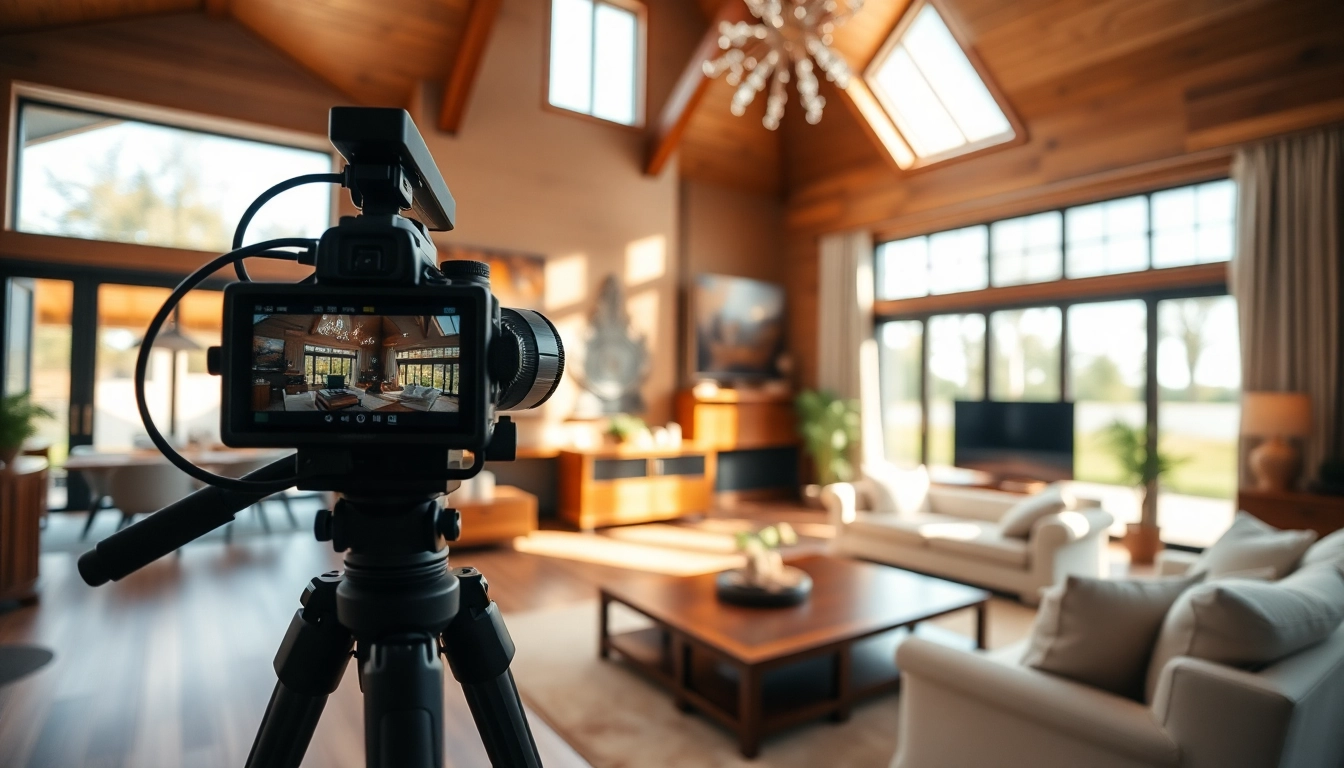
A professional real estate photographer specializes in capturing residential and commercial properties through high-quality images. They possess an understanding of lighting, composition, and marketing strategies. When you hire one, expect them to arrive equipped with professional gear, including high-resolution cameras, various lenses, and lighting equipment. Alongside technical proficiency, they should have a knack for storytelling through visuals, which involves choosing angles and settings that best highlight the property’s features.
Importance of High-Quality Images in Real Estate
The significance of high-quality images in real estate cannot be overstated. Listings with professional photographs receive 61% more views compared to those with average images. Quality visuals create a virtual first impression that can either entice or deter potential buyers. Buyers tend to evaluate properties substantially based on the imagery presented in listings. Thus, investing in a skilled real estate photographer can dramatically influence the appeal of a property in a competitive market.
Common Photography Techniques Used
Real estate photographers utilize various techniques to capture stunning images. Here are a few common ones:
- HDR Photography: High Dynamic Range (HDR) involves taking multiple shots at different exposures and combining them to create a single image that reveals detail in both shadows and highlights.
- Wide-Angle Lenses: Wide-angle lenses help capture more of the space in a single shot, allowing potential buyers to get a sense of the layout.
- Flambient Photography: This technique combines flash photography with ambient light to produce evenly lit images with depth and clarity.
- Aerial Photography: Capturing images from above using drones provides a unique perspective and showcases the property and its surroundings effectively.
Choosing the Right Real Estate Photographer
Selecting the ideal real estate photographer involves a deep dive into their portfolio, styles, and services. It is a strategic decision that can significantly impact your property listings.
Evaluating Portfolios and Styles
When considering a real estate photographer, reviewing their portfolio is a critical step. Look for consistency in image quality, creativity, and style. Different photographers have distinct styles—some may specialize in bright and airy images, while others might lean towards moody and atmospheric. Choose a photographer whose vision resonates with the aesthetic you want to project for your property.
Questions to Ask Potential Photographers
It's essential to engage potential photographers with appropriate questions to ensure they fit your needs. Here are some must-ask questions:
- What is your experience in real estate photography?
- Can I see your recent portfolio for similar properties?
- What is your turnaround time for delivering edited images?
- Do you provide additional services like virtual tours or drone photography?
- What are your cancellation and rescheduling policies?
Understanding Pricing and Packages
Real estate photography pricing varies based on services offered, location, and photographer experience. Some photographers provide packages that include a set number of images, additional services like floor plans or virtual tours, and varying delivery times. It's essential to compare prices while also considering the quality and range of services offered, as the cheapest option might not always provide the best return on investment.
Preparing Your Property for a Photoshoot
Preparation is vital for ensuring that a property looks its best during a photoshoot. Proper staging and attention to detail can lead to stunning photographs that attract potential buyers.
Essential Staging Tips for Real Estate
Staging a home can significantly enhance its appeal. Here are some essential staging tips:
- Declutter: Remove personal items, excessive decorations, and unnecessary furniture to create an open and inviting space.
- Clean Thoroughly: A clean property is essential. Ensure that the property is spotless, including windows and carpets.
- Utilize Natural Light: Open curtains and blinds to let in natural light, making the space feel brighter and larger.
- Add Fresh Décor: Consider minor decor updates like fresh flowers or neutral-colored throws to add vibrancy.
Lighting Considerations for Optimal Photos
Lighting is one of the most critical factors in photography. Using natural light can enhance property images but be aware of the time of day. Early mornings or late afternoons often provide softer light, reducing harsh shadows. However, utilizing a combination of ambient light and supplemental lighting may help capture the property’s features more effectively.
Key Features to Highlight in Your Property
During the photoshoot, ensure that key property features are highlighted. Focus on architectural details, high-end appliances, outdoor spaces, and unique aspects that set the property apart. The goal is to create a narrative that resonates with potential buyers and entices them to envision themselves living there.
Maximizing the Impact of Real Estate Photography
Once you have stunning images from the photoshoot, it’s imperative to maximize their potential through effective marketing strategies.
Using Photos for Online Listings Effectively
Great images are only as good as their placement in attractive online listings. Ensure that the best images are positioned at the top or in the slideshow, where they are most likely to capture attention. Additionally, consider incorporating descriptions that highlight each room's key features, creating a visual and narrative context.
Social Media Marketing with Real Estate Images
Social media platforms are powerful tools for promoting real estate listings. Share high-quality real estate images on platforms like Instagram, Facebook, and Pinterest. Utilize relevant hashtags to reach a broader audience and engage with potential buyers through comments and direct messages to drive interest.
Creating Virtual Tours Using Photography
Virtual tours can be a compelling addition to traditional real estate photography. They allow prospective buyers to explore properties remotely. Many photographers can produce 360-degree virtual tours, helping viewers assess the layout and flow of the space interactively. These tours are particularly appealing as they offer a more immersive experience than static images.
Frequently Asked Questions about Real Estate Photography
How much does it cost to hire a Real Estate Photographer?
The cost to hire a real estate photographer typically ranges between $100 to $500, depending on factors like location, experience, and the scope of services offered. It's advisable to request quotes for clarity on pricing structures.
What types of equipment do real estate photographers use?
Real estate photographers usually utilize high-resolution DSLR or mirrorless cameras, wide-angle lenses for expansive spaces, tripods for stability, and lighting equipment to enhance interior shots. Drones may also be employed for aerial photography.
Can I use my own photos for real estate listings?
While you can use your photos, hiring a professional raises the quality significantly. Experts know how to manipulate lighting, angles, and composition to create appealing, marketable images. Investing in professional photography can yield better results in sales.
How long does a real estate photoshoot typically take?
A real estate photoshoot can take anywhere from 1 to 3 hours, depending on the property size and the specific requirements of the shoot. Larger homes or more complex setups will naturally require more time.
What is the difference between HDR and standard photography?
HDR photography encompasses capturing multiple exposures to create a balanced image with details in both highlights and shadows. Standard photography typically uses a single exposure, which may result in loss of detail in extreme light conditions.