Understanding Integrated Modular Systems
Integrated Modular Systems have revolutionized various industries, particularly in water treatment. By combining multiple functional modules into a cohesive structure, these systems offer enhanced efficiency and flexibility. In the context of growing environmental concerns and the increasing need for sustainable practices, the benefits of adopting such systems are significant. As organizations seek innovative solutions to tackle complex challenges, understanding the definition, purpose, and benefits of Integrated Modular Systems becomes paramount. When exploring options, Integrated Modular Systems provide comprehensive insights into how these systems can improve operational efficiency and water treatment processes.
Definition and Purpose of Integrated Modular Systems
Integrated Modular Systems refer to a framework wherein various modules are interconnected to work as a single entity. This design allows for the easy incorporation of different functionalities, enabling the system to address specific needs efficiently. The primary purpose of such systems is to enhance productivity while minimizing resource consumption. In water treatment, this is particularly crucial as it ensures higher standards of cleanliness and safety in effluents.
Key Components of Integrated Modular Systems
Typically, Integrated Modular Systems consist of several key components:
- Modular Units: Individual components designed for specific functions, such as filtration or chemical treatment.
- Control Systems: Automated systems that manage the performance and operation of each module.
- Interconnectivity Framework: The infrastructure that facilitates seamless communication between modules.
- Data Management Tools: Software applications that monitor, analyze, and optimize the performance of the entire system.
Benefits of Using Integrated Modular Systems in Water Treatment
The integration of multiple functionalities into a unified system offers numerous advantages:
- Efficiency: By streamlining processes, these systems reduce the time and energy needed for water treatment.
- Cost-Effectiveness: Lower operational costs due to the optimized use of resources and reduced maintenance needs.
- Scalability: Easy to expand or modify the system as demand changes.
- Flexibility: Adaptable to various water treatment challenges, making it suitable for diverse industries.
- Improved Quality Control: Enhanced monitoring tools lead to better compliance with environmental regulations.
Core Offerings of QILEE’s Integrated Modular Systems
QILEE specializes in delivering a range of Integrated Modular Systems specifically tailored for water treatment challenges. Each offering is designed with advanced technology and customer needs in mind, ensuring high performance and reliability.
Integrated Membrane Water Treatment System Features
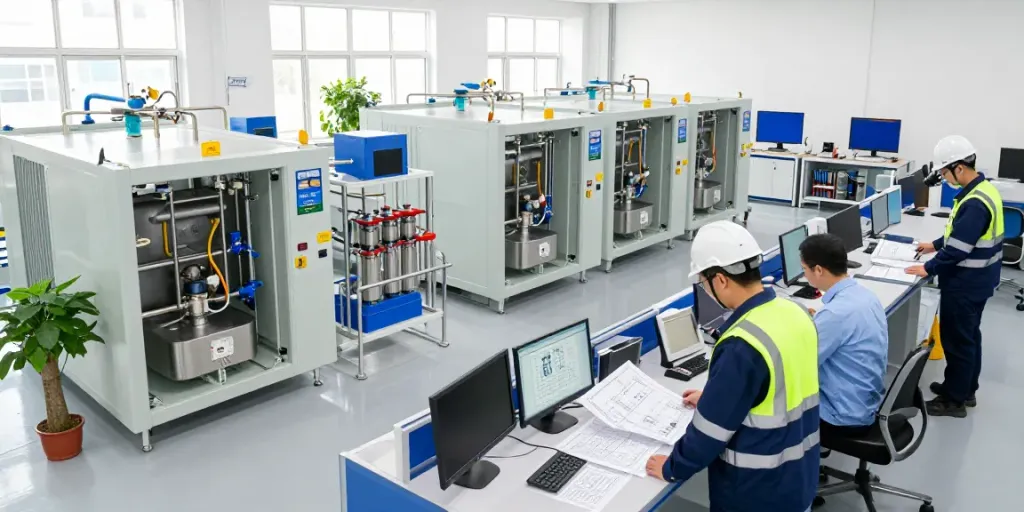
This system uses membrane technology to filter out contaminants and impurities from water sources. Notable features include:
- High Filtration Efficiency: Capable of removing 99% of suspended solids.
- Space-Saving Design: Compact modules that can be seamlessly integrated into existing setups.
- Automated Control: Real-time monitoring and adjustment capabilities enhance operational efficiency.
Chemical Treatment System Advantages
QILEE’s Chemical Treatment System utilizes various chemicals to neutralize contaminants. Key advantages include:
- Customized Solutions: Tailored chemical dosages based on specific water quality analyses.
- Environmentally Friendly Options: Use of biodegradable chemicals reduces ecological impact.
- Rapid Response: Quick adjustments in chemical treatment processes promote immediate results.
Details of DAF Integrated Treatment System Applications
The Dissolved Air Flotation (DAF) Integrated Treatment System is particularly useful in situations involving wastewater with suspended solids. Key details include:
- High Performance: Proven stability and maturity in operational environments.
- Compact Structure: Efficient spatial design allowing for easy installation in diverse locations.
- Specific Applications: Effective for treating wastewater with floc densities that are lighter than water, where conventional methods may fall short.
Applications of Integrated Modular Systems in Various Industries
Integrated Modular Systems find applications across several sectors, each benefitting uniquely from the technology.
Water Treatment in Industrial Settings
Industries such as manufacturing and food processing often generate large quantities of wastewater. Implementing Integrated Modular Systems allows these industries to:
- Meet regulatory compliance effectively.
- Minimize waste treatment costs.
- Enhance environmental sustainability practices.
Municipal Water Solutions Using Integrated Systems
Municipalities are increasingly adopting Integrated Modular Systems to ensure safe and clean water supply. Benefits include:
- Efficient treatment of large volumes of water.
- The ability to integrate renewable energy sources into the water treatment process.
- Improved public health through enhanced water quality.
Case Studies of Successful Implementations
Numerous case studies have showcased the successful implementation of Integrated Modular Systems:
- Case Study 1: A leading food processing plant reduced wastewater discharge by 40% after installing a DAF Integrated Treatment System.
- Case Study 2: A municipal water treatment facility improved purification processes and reduced operational costs by 30% through the integration of membrane technology.
Challenges and Solutions in Implementing Integrated Modular Systems
While the benefits are substantial, implementing Integrated Modular Systems is not without challenges. Identifying and addressing these obstacles can facilitate smoother transitions.
Common Misconceptions About Modular Systems
One prevalent misconception is that modular systems are only suitable for specific applications. In reality, they are versatile and can be adapted for a wide range of uses beyond water treatment, thereby presenting numerous opportunities for innovation.
Overcoming Installation and Integration Challenges
Installation can be complex, especially when integrating new systems with existing infrastructure. Strategies to overcome these challenges include:
- Conducting detailed feasibility studies prior to installation.
- Engaging experienced professionals for setup and training.
- Utilizing adaptable designs to facilitate easier integration.
Best Practices for Maintenance and Operation
To maximize the longevity and performance of Integrated Modular Systems, regular maintenance is crucial. Best practices include:
- Scheduled inspections to identify potential issues early.
- Utilizing advanced monitoring systems to track operational efficiency.
- Training staff on proper operational procedures and troubleshooting techniques.
Future Trends in Integrated Modular Systems (2026 and Beyond)
As industries evolve, Integrated Modular Systems will continue to adapt and innovate. Here are some key future trends to watch:
Emerging Technologies and Innovations
Technological advancements will play a pivotal role in shaping Integrated Modular Systems. Expect to see:
- Integration of artificial intelligence for predictive maintenance and enhanced efficiency.
- Development of smarter materials that improve system flexibility and durability.
Sustainability and Environmental Considerations
As global awareness of sustainability grows, Integrated Modular Systems will increasingly focus on minimizing their environmental footprint. Innovations might include:
- Utilization of renewable energy sources to power operations.
- Designing systems that promote water reuse and recycle initiatives.
Predictions for Market Growth and Development
The demand for Integrated Modular Systems is expected to rise significantly over the coming years. Factors driving this growth include:
- An increasing emphasis on water quality and environmental regulations.
- Greater awareness and adoption of sustainable practices by businesses across sectors.
What is an example of a modular system?
An example of a modular system can be found in QILEE’s Integrated Membrane Water Treatment System, designed to filter contaminants effectively while minimizing space usage.
How much does a modular system cost?
The cost of a modular system can vary based on complexity, design, and functionality. It is essential for potential users to assess their specific needs and consult with manufacturers for accurate pricing.
What is modular integrated construction?
Modular integrated construction refers to building methods that utilize pre-fabricated modules that can be assembled on-site, ensuring time efficiency and reduced waste.
What is the difference between modular and integrated design?
Modular design focuses on creating separate components that can be assembled, while integrated design combines these components into a unified system that operates seamlessly.
How can I identify the right modular system for my needs?
To identify the right modular system, assess your specific requirements, consult with industry experts, and evaluate existing solutions that align with your operational goals.