Understanding Bed Bug Heat Treatment
What is Bed Bug Heat Treatment?
Bed bug heat treatment is an innovative pest control technique utilizing high temperatures to eliminate bed bugs and their eggs. This method involves raising the temperature of an infested area to levels that are lethal to bed bugs, typically around 120°F to 135°F (49°C to 57°C). The heat permeates various surfaces, distributing uniformly across furniture, walls, and flooring to ensure comprehensive treatment. Unlike chemical treatments that may leave residues or require multiple applications, bed bug heat treatment is recognized for its non-toxic nature and efficacy in targeting all life stages of the insect, from eggs to adults.
How Does Bed Bug Heat Treatment Work?
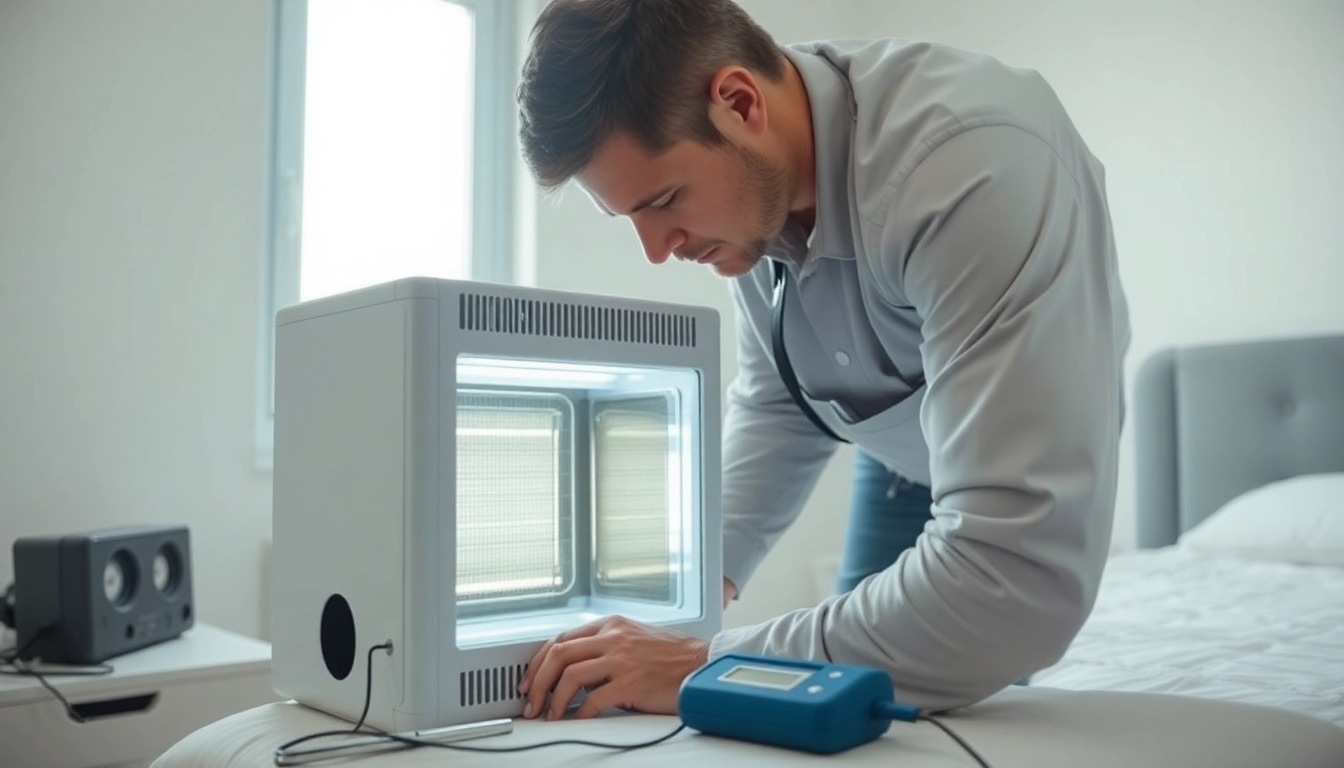
The process employs specialized equipment, such as electric or propane heaters, to achieve the necessary temperatures. By dispersing heat evenly throughout the infested space, the method effectively raises the ambient temperature to a lethal level for bed bugs. The treatment typically lasts for several hours, ensuring that every nook and cranny gains exposure to the heat. Heat penetrates even the most hiding places of bed bugs, which are often found in seams, crevices, and folds. As a result, heat treatment not only kills adult bed bugs but also tackles their resilient eggs, significantly reducing the chances of reinfestation.
Benefits of Bed Bug Heat Treatment
- Effective Across Life Stages: Bed bug heat treatment is capable of exterminating all life stages including eggs, which are notoriously resistant to traditional pesticides.
- Non-Toxic: Ideal for households with children and pets, this method minimizes the use of chemicals, contributing to a safer indoor environment.
- Rapid Results: Many heat treatments can be completed within a single day, which limits disruption to the household routine.
- Lesser Mess: Unlike chemical methods that may require preparation and post-treatment cleaning, heat treatment leaves minimal clean-up, as it does not involve sprays or powders.
- Long-Lasting Effects: The effectiveness of heat treatment can provide a long-term solution, particularly if combined with preventative measures.
Preparing for Bed Bug Heat Treatment
Steps to Take Before Treatment
Preparation is essential for ensuring the effectiveness of bed bug heat treatment. Here are the necessary steps homeowners should follow:
- Declutter the Area: Remove unnecessary items from infested areas to allow better access for treatment.
- Launder Affected Textiles: Wash and dry all bedding, curtains, and clothing at high temperatures to eliminate bed bugs before the heat treatment.
- Prepare the Furniture: Move furniture away from walls and ensure heat can circulate throughout the room freely.
- Remove Heat-Sensitive Items: Items like plants, candles, and electronics should be removed or protected to avoid damage from high temperatures.
What to Expect During the Treatment
During the bed bug heat treatment, homeowners can expect a highly monitored process. Technicians will employ heaters to raise the temperature of the affected area gradually. Measurements will be taken continuously to ensure the target temperatures are reached and maintained. Depending on the severity of the infestation, the treatment may take 6 to 8 hours or more, with thorough checks at critical intervals to ensure efficacy.
Safety Considerations for Homeowners
Safety is paramount during the bed bug heat treatment process. Homeowners should vacate the premises for the duration of the treatment, as high temperatures can be harmful. Additionally, it is imperative to follow all instruction guidelines provided by the service technicians to ensure complete safety during the process. Emergency contact numbers should be readily available to address any potential issues promptly.
Implementing Bed Bug Heat Treatment
Choosing the Right Equipment
Choosing the appropriate heating equipment is critical for the success of bed bug heat treatment. The following types of heaters are commonly used:
- Electric Heaters: Convenient and efficient, electric heaters are often preferred for residential settings.
- Propane Heaters: Useful for larger spaces or areas without electrical access, propane heaters offer high heat output.
Expertise in operating these devices is essential, and it's recommended to consult professionals who specialize in pest control to ensure the right choice is made based on the severity of the infestation and the structure of the home.
DIY vs. Professional Bed Bug Heat Treatment
While there are DIY options available for bed bug heat treatments, hiring a professional service is generally advised. Professionals possess the experience, knowledge, and equipment necessary to conduct the treatment more effectively. DIY treatments can be risky without proper equipment, techniques, and understanding of bed bug behavior. Moreover, expert services can offer warranties and follow-up consultations that DIY methods often lack.
Common Mistakes to Avoid
To ensure the effectiveness of bed bug heat treatment, homeowners should be aware of common mistakes:
- Failing to prepare properly by not decluttering or moving furniture.
- Using inadequate heating equipment that cannot attain the required temperatures.
- Ignoring signs of reinfestation and not employing preventive measures post-treatment.
- Not consulting with professionals and choosing to DIY without adequate knowledge.
After the Bed Bug Heat Treatment
Post-Treatment Care
After treatment, it is crucial to follow post-care instructions provided by professionals. This may include continuing with regular cleaning and monitoring the treated areas for any signs of bed bugs. Homeowners should also consider preventative measures such as sealing cracks and crevices in their home and minimizing clutter to discourage future infestations.
Signs of Remaining Bed Bugs
Even after treatment, vigilance is vital. Signs of potential remaining bed bugs can include small reddish-brown spots (dried blood), shed skins, and live bugs. Continuous inspection of bedding, furniture seams, and edges is advised.
Follow-Up Treatment Options
Follow-up treatments may be necessary depending on the infestation's severity and how well it was addressed initially. Recommendations may include additional heat treatments, chemical treatments, or other pest control strategies if signs of bed bugs persist.
FAQs about Bed Bug Heat Treatment
What is the optimal temperature for bed bug heat treatment?
The optimal temperature for effective bed bug heat treatment ranges from 120°F to 135°F. This range is sufficient to kill all life stages, including eggs.
How long does the heat treatment process take?
The heat treatment process typically takes between 6 to 8 hours, depending on the level of infestation and the size of the area being treated.
Can I stay in my home during bed bug heat treatment?
No, it's recommended that homeowners vacate the premises during the treatment to ensure safety and effectiveness of the process.
Is bed bug heat treatment effective against eggs?
Yes, bed bug heat treatment is designed to eliminate bed bug eggs as well as adult bugs. The high temperatures reach into various hiding spots.
How often should heat treatment be repeated?
Heat treatment may need to be repeated if evidence of bed bugs remains or if subsequent infestations occur, typically suggested every few months if necessary.